Field manual · nineteen models
Which SL-1200 is it, and what does one cost?
If a listing just says 1200, start with the MK2: one design, from 1979 to 2010. Identify the deck in front of you, then open its sheet and the listings.
01What you can see
A listing that says Technics 1200 can be any of the nineteen. Answer what the photos show. A match opens that model's sheet, its tally, and its listings.
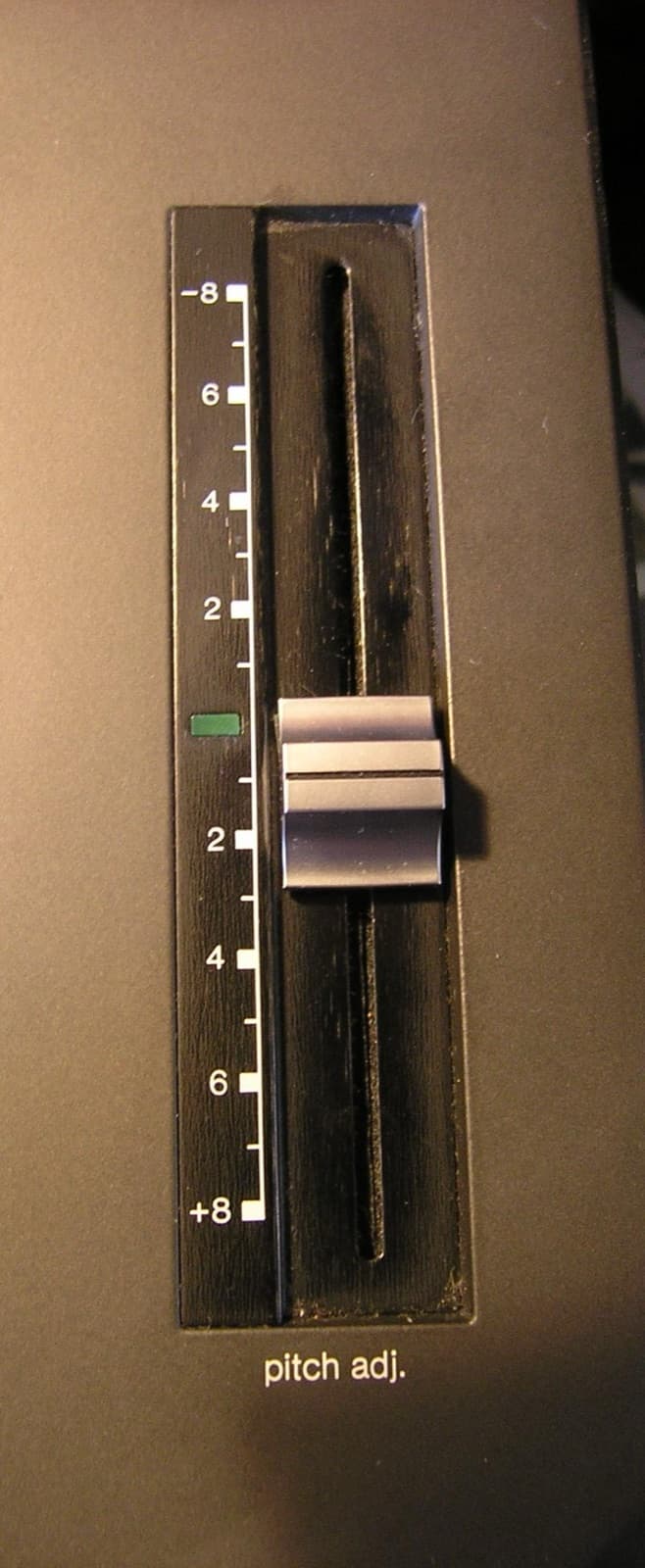
- Pitch is a sliding fader
The original 1972 deck used two small rotary speed knobs instead.
- The fader clicks at the center
A positive click at 0%. Later decks removed it so you could ride pitch through zero.
- ±16% range is selectableMost useful next
A button or switch that doubles the pitch range.
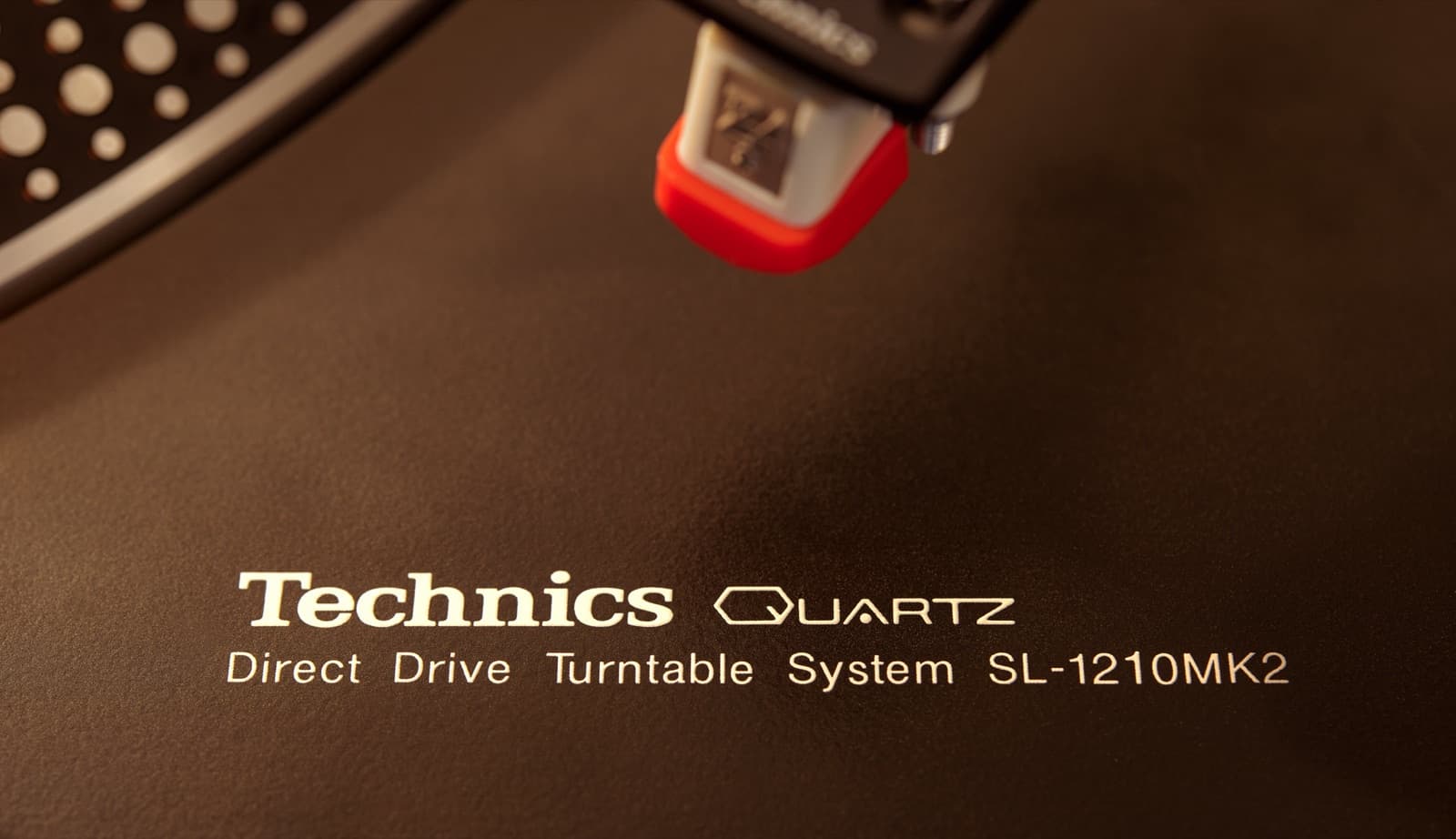
- "QUARTZ" is printed on the plinth
Next to the Technics logo, above the model designation.
- It plays 78 rpm
A third speed, usually a switch rather than a front-panel button.
- It has a reverse-play switch
Runs the platter backwards.
- The RCA and power cables unplug
Classic decks have both hardwired into the chassis.
- All nineteen models →Classic line through the revival. Each sheet has the specs, the tally, and the listings.
- Buying one used →The 25 checks to run before you pay, arm first.
- Setting it up →Balance, tracking force, cartridge fit and calibration.
- Fixing one →Who still services them, and how to replace a tonearm.
- units sold
- ~3.5M
- years since launch
- 54
- models documented
- 19
- classic pitch range
- ±8%
02The classic line, 1972 to 2010
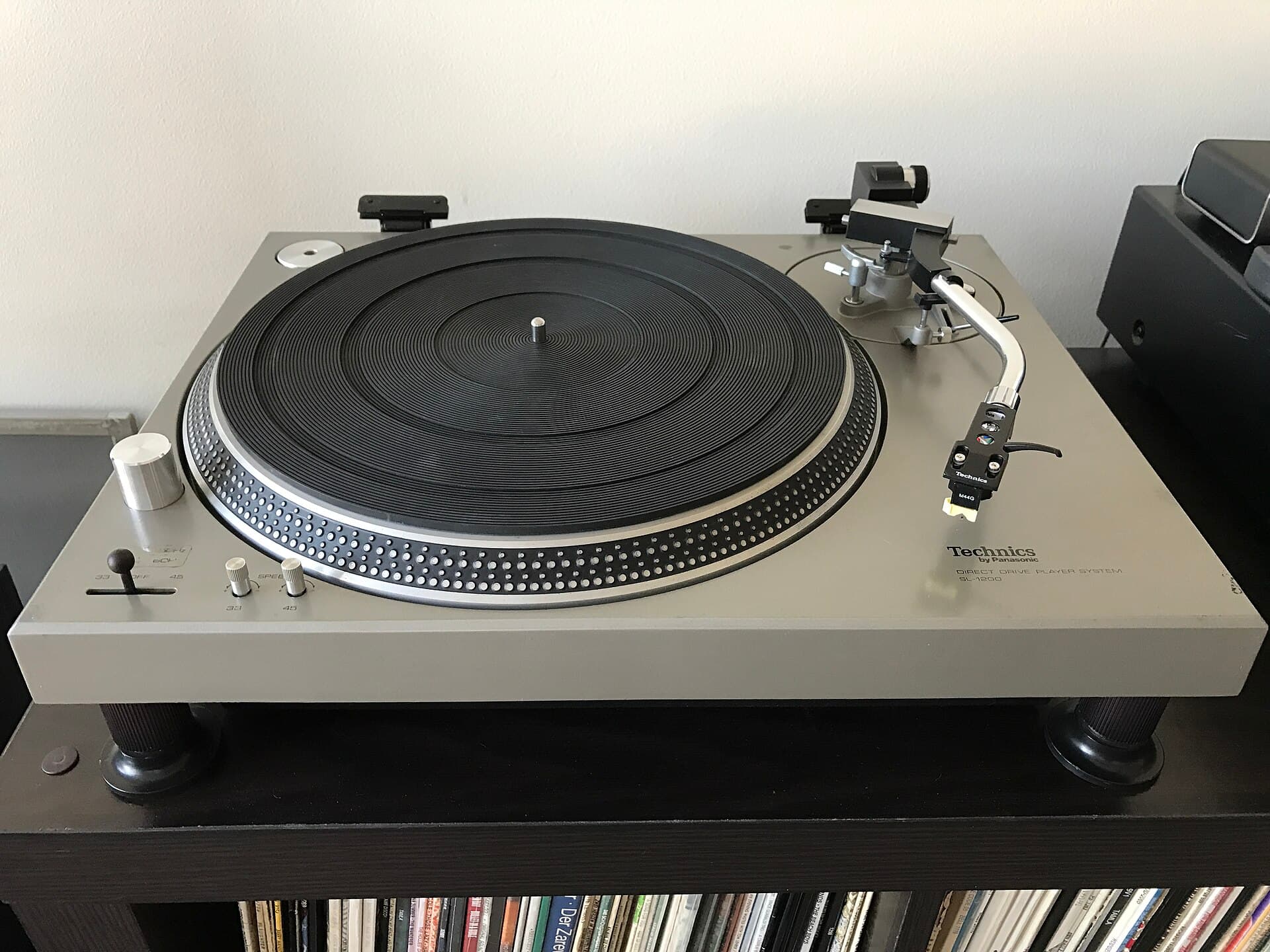
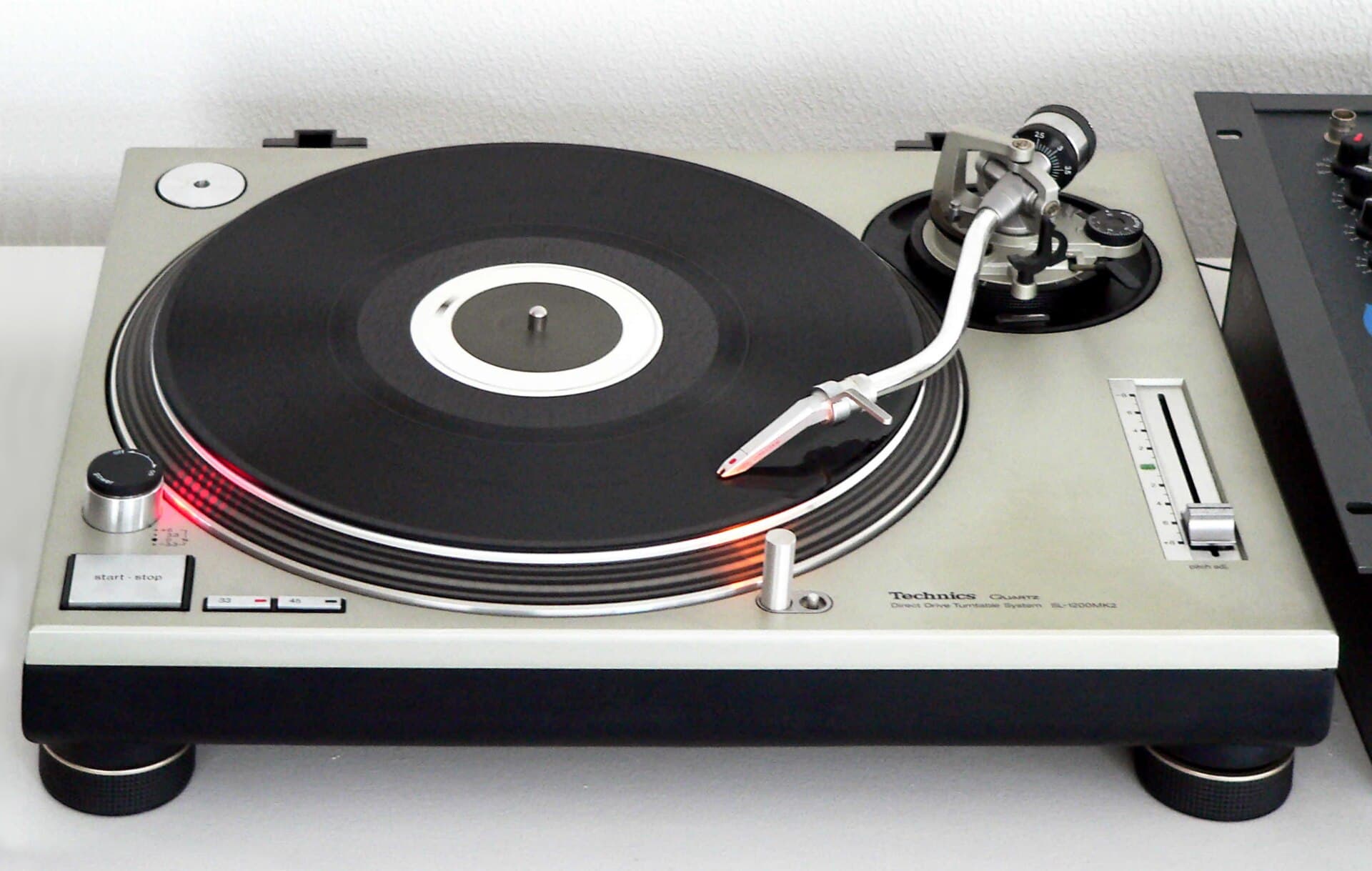
The original, sold as a hi-fi deck. Disco and radio DJs picked it up anyway.
Quartz lock and the pitch slider, then 31 years with barely a change. The one hip-hop and house were built on.
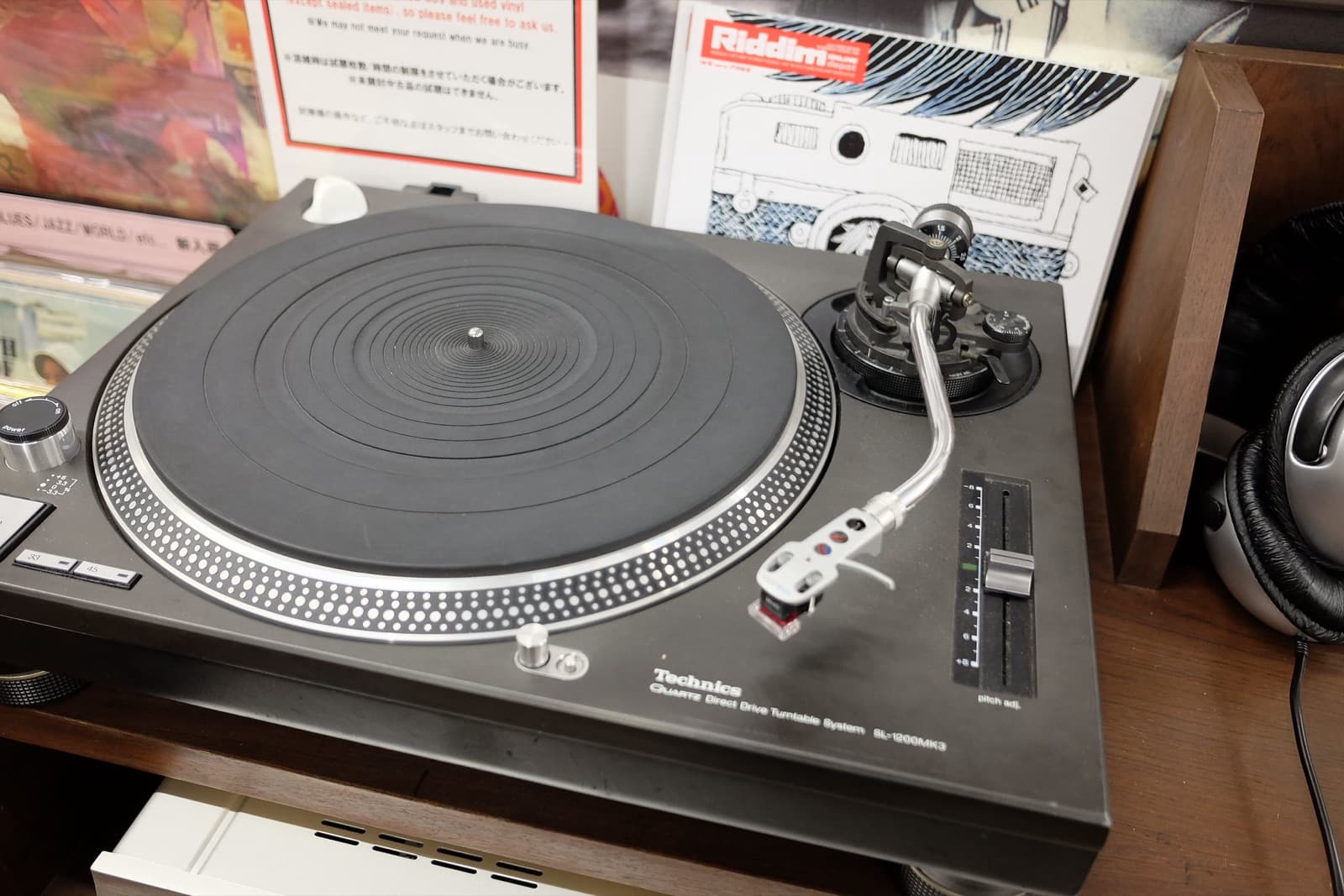
Japan-only refinement: the first official all-black 1200, damped with Technics' non-resonance compound.
Piano-black and gold-plated: 5,000 units celebrating two million 1200s sold.
Built for listening, not DJing: 78 rpm, detachable cables, an upgraded arm. Rarely seen outside Japan.
The MK3 without the click at 0% pitch, plus a reset button, a recessed power switch and a headshell stand.
The MK3D for the rest of the world, with a recessed power switch DJs couldn't kill mid-set.
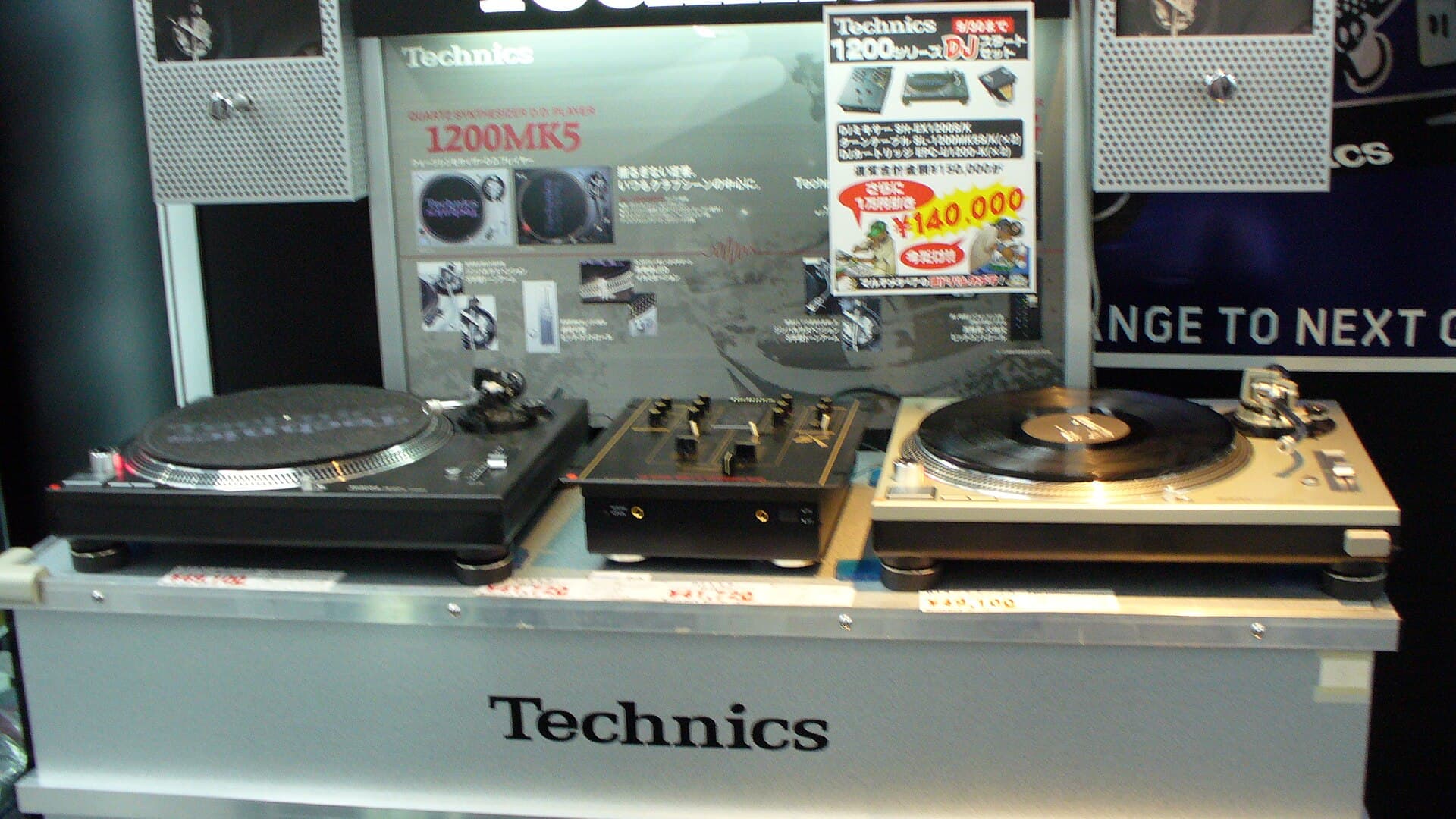
The scratch-era workhorse: doubled anti-skate, white LED target light, last of the analog pitch.
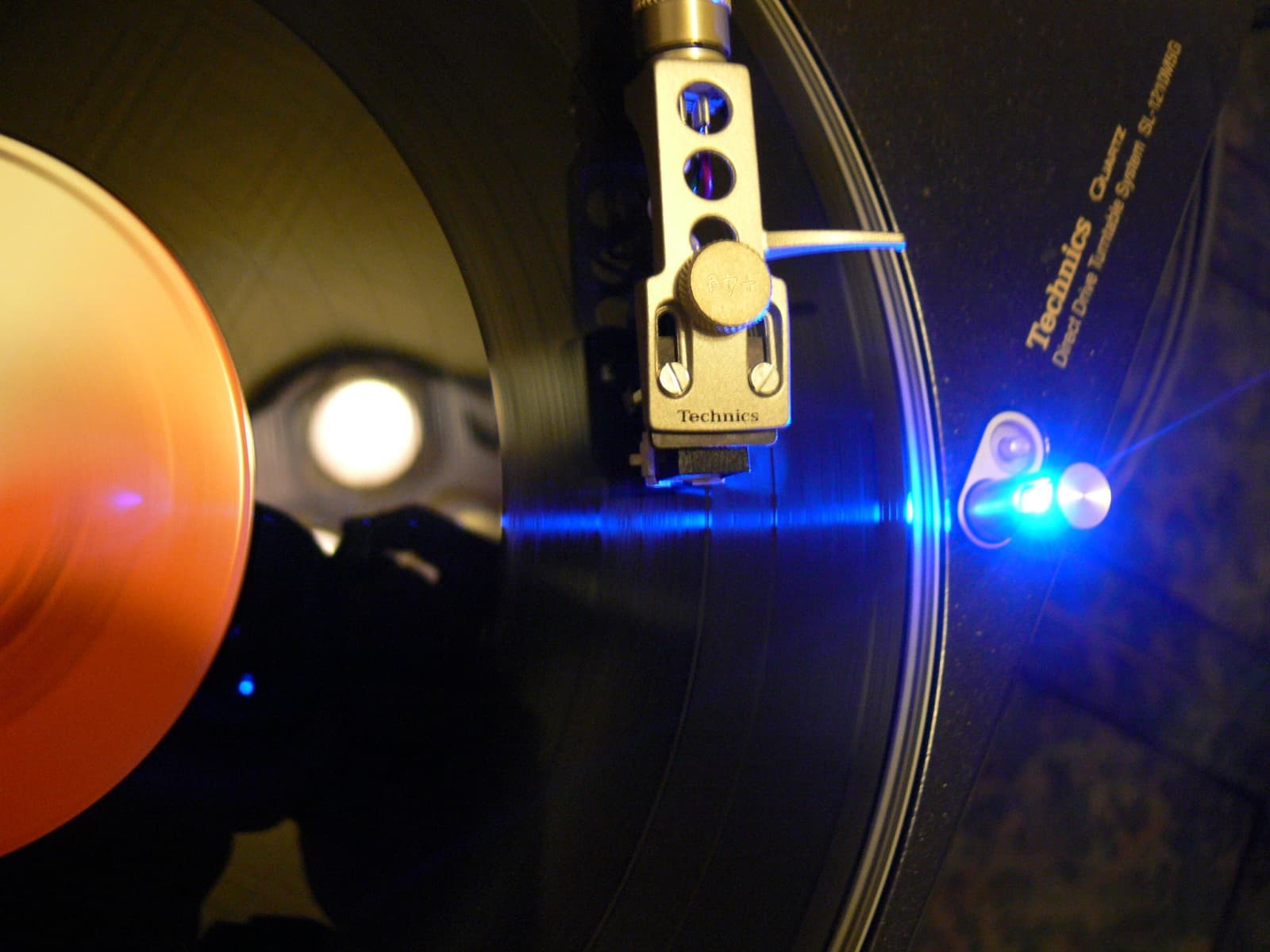
The 30th-anniversary deck: first digital pitch, a ±16% range and blue LEDs. Turntablists liked it best.
Three million sold, in black gloss and gold; 3,000 units on an M5G heart.
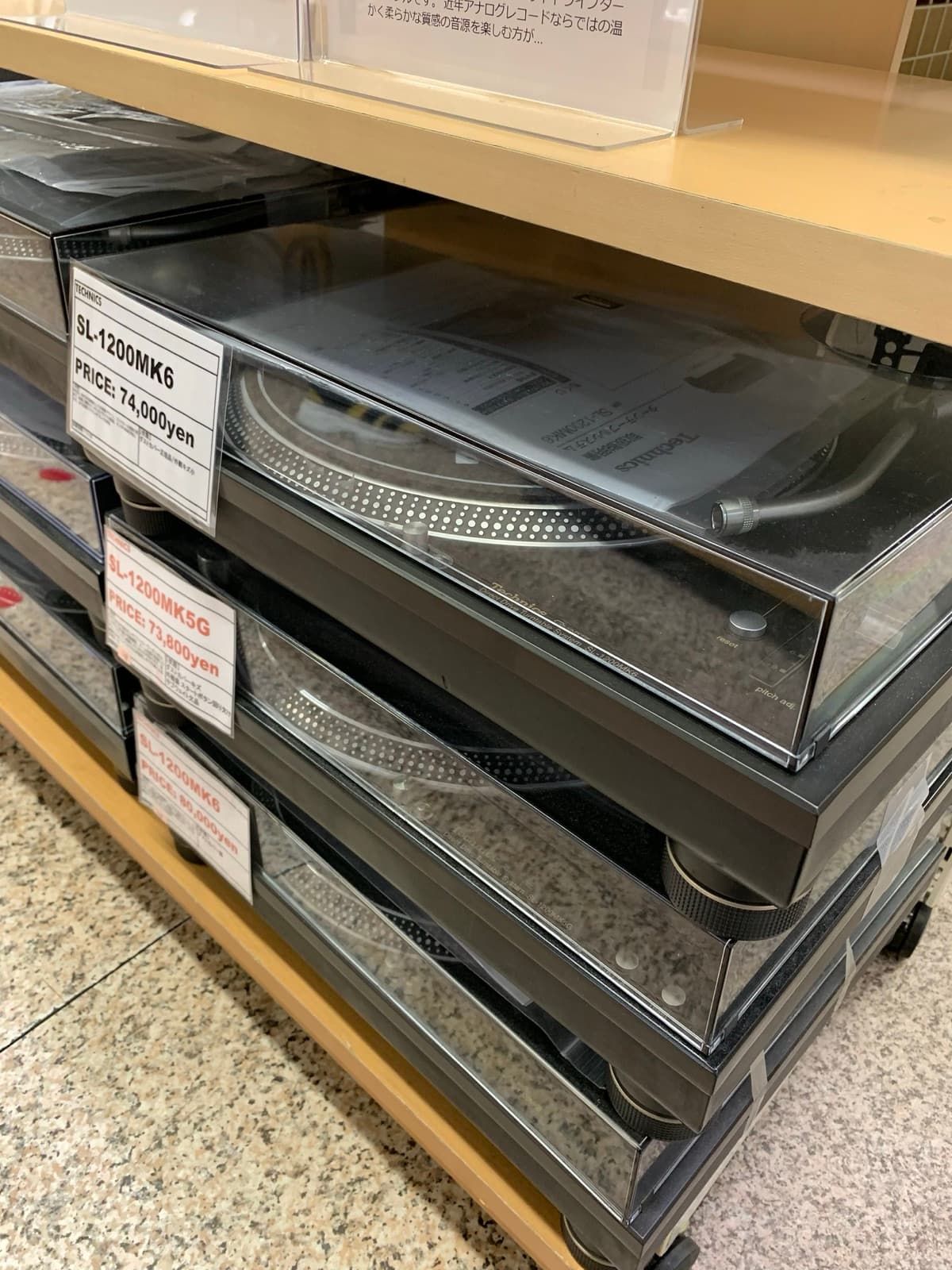
The final classic: quiet refinements, plus a 1,200-unit 35th-anniversary edition with a gold record.
03The revival, 2016 to now
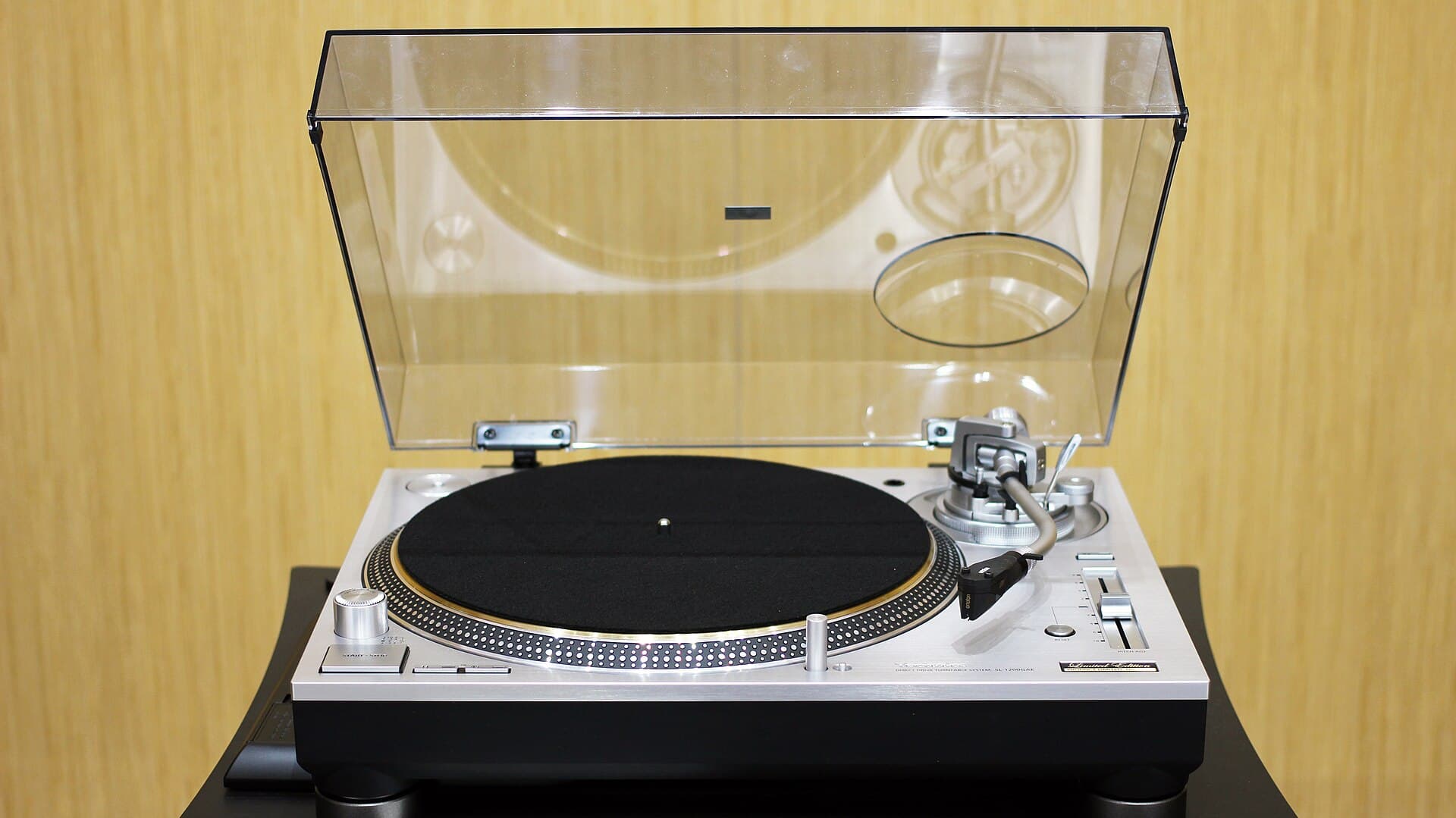
The comeback: 1,200 numbered units for the brand's 50th, gone in about 30 minutes.
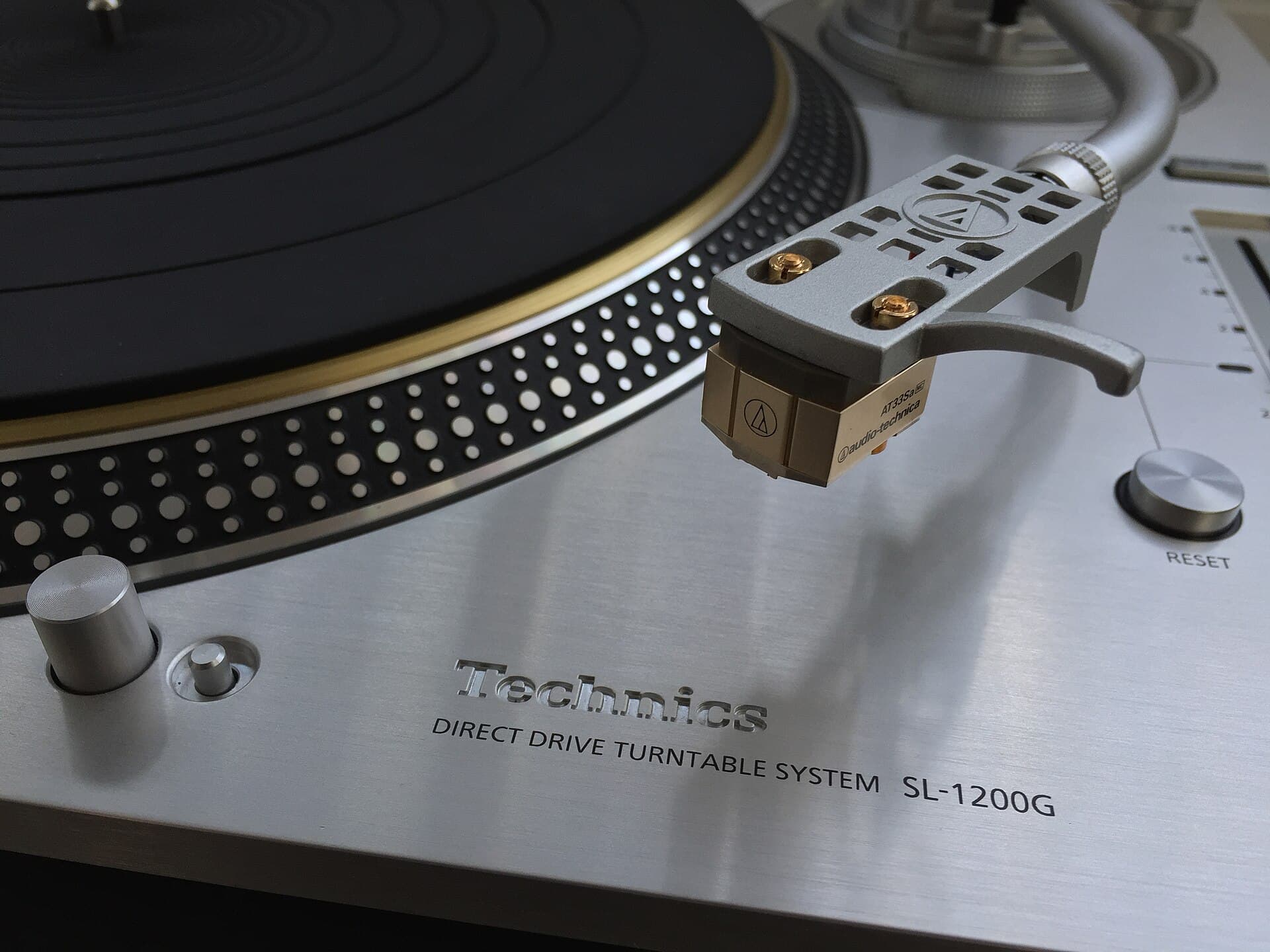
The hi-fi flagship: coreless twin-rotor motor, four-layer cabinet, 18 kg.
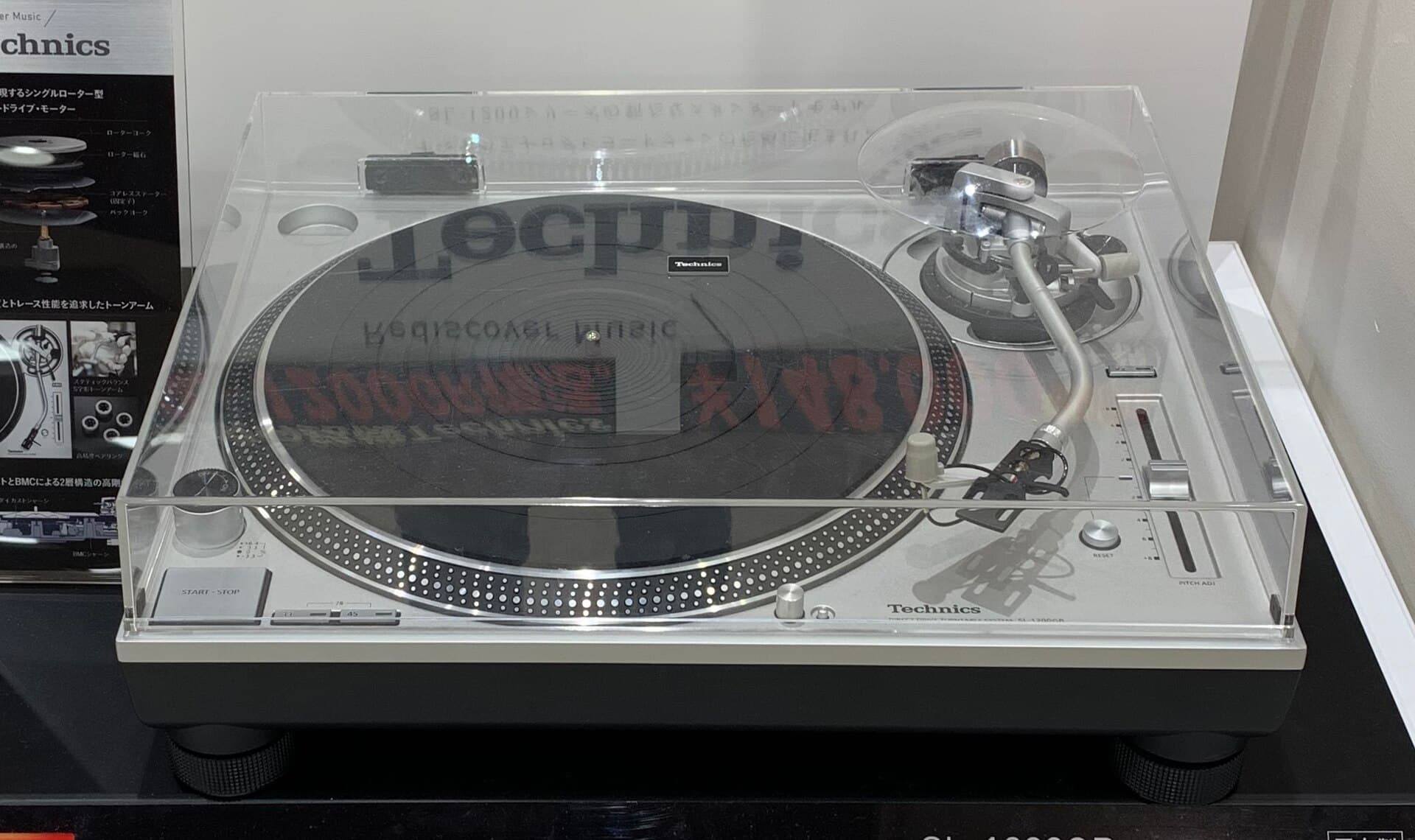
Most of the G for half the price, and 7 kg lighter.
The DJ deck returns: coreless motor, 78 rpm, reverse play; the first new DJ 1200 in nine years.
55 years of Technics in black: 1,210 numbered units, with a strobe you can switch off.
An MK7 in Red Bull BC One colors, with a gold tonearm and red headshell.
50 years of the 1200: 12,000 units, seven colors, gold tonearms.
The current Grand Class: ΔΣ-Drive motor control and flagship-derived silent power at $2,199.
04Up close
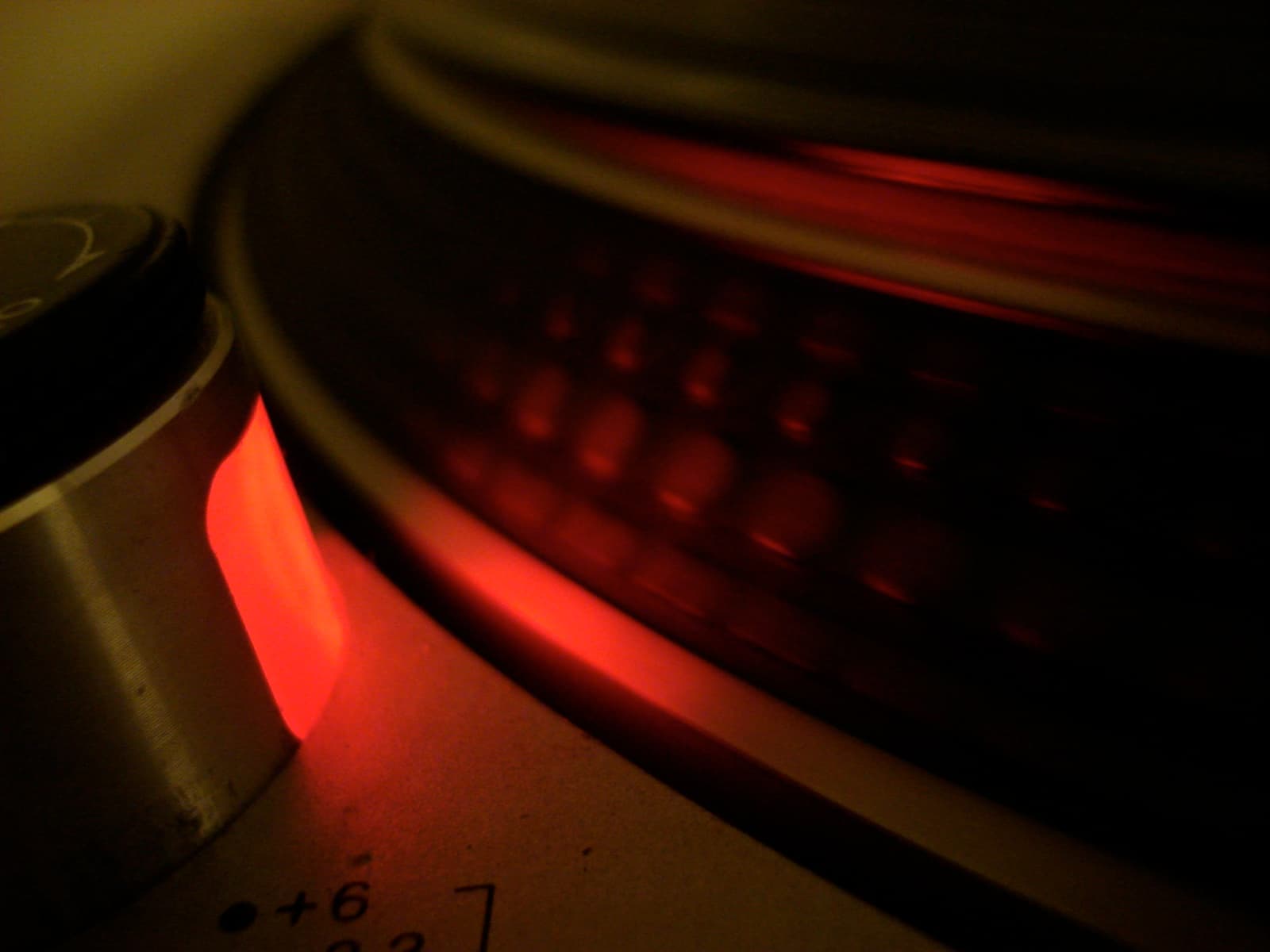
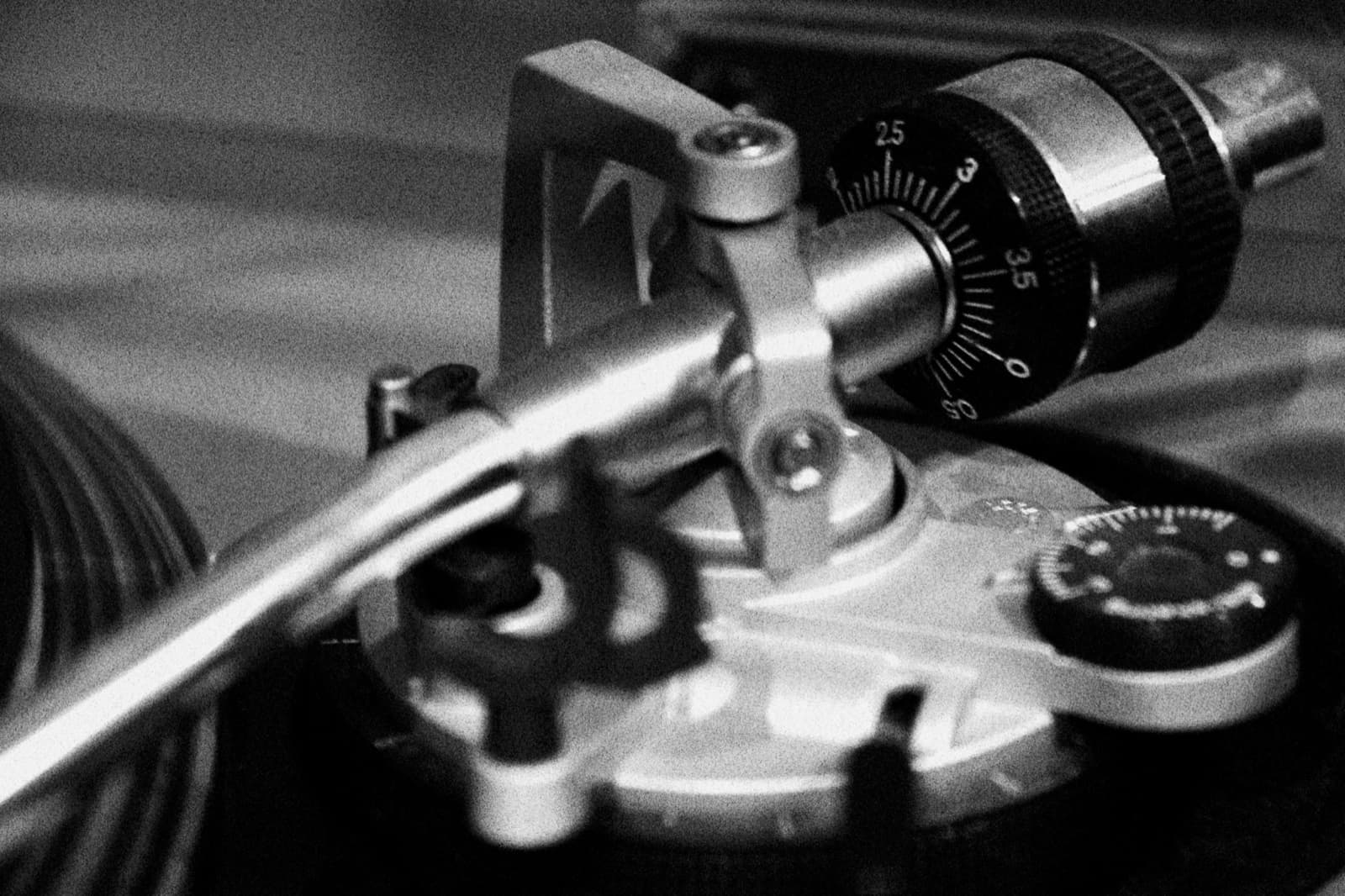
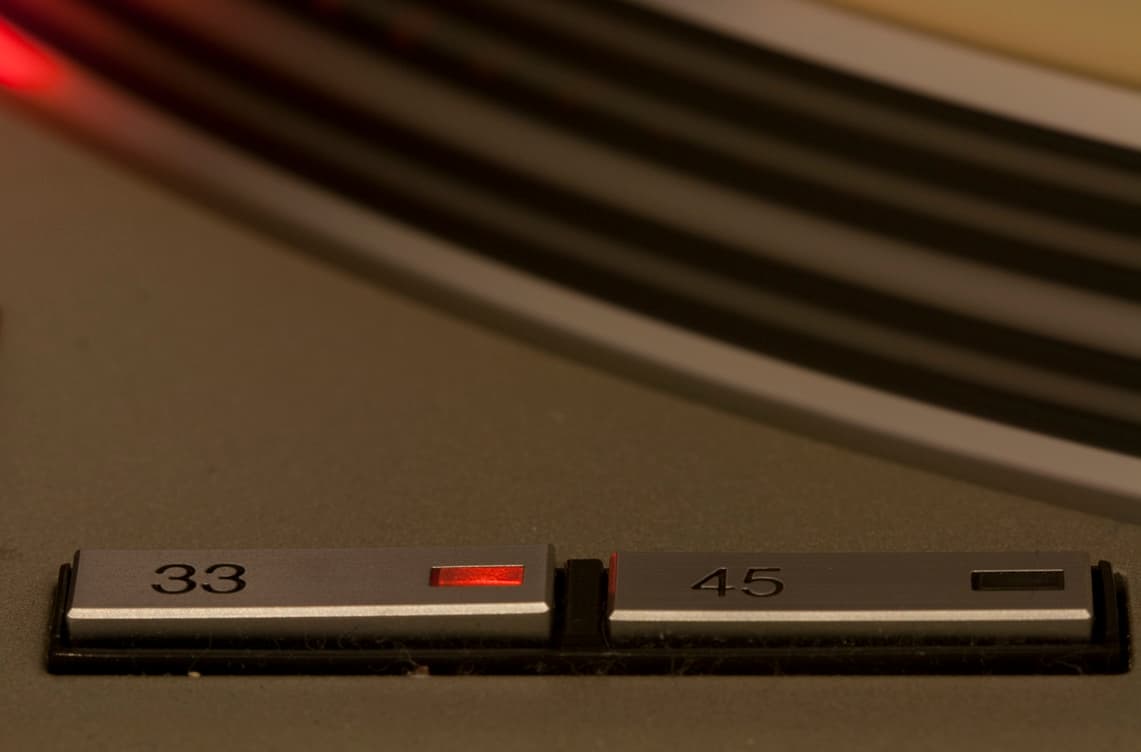
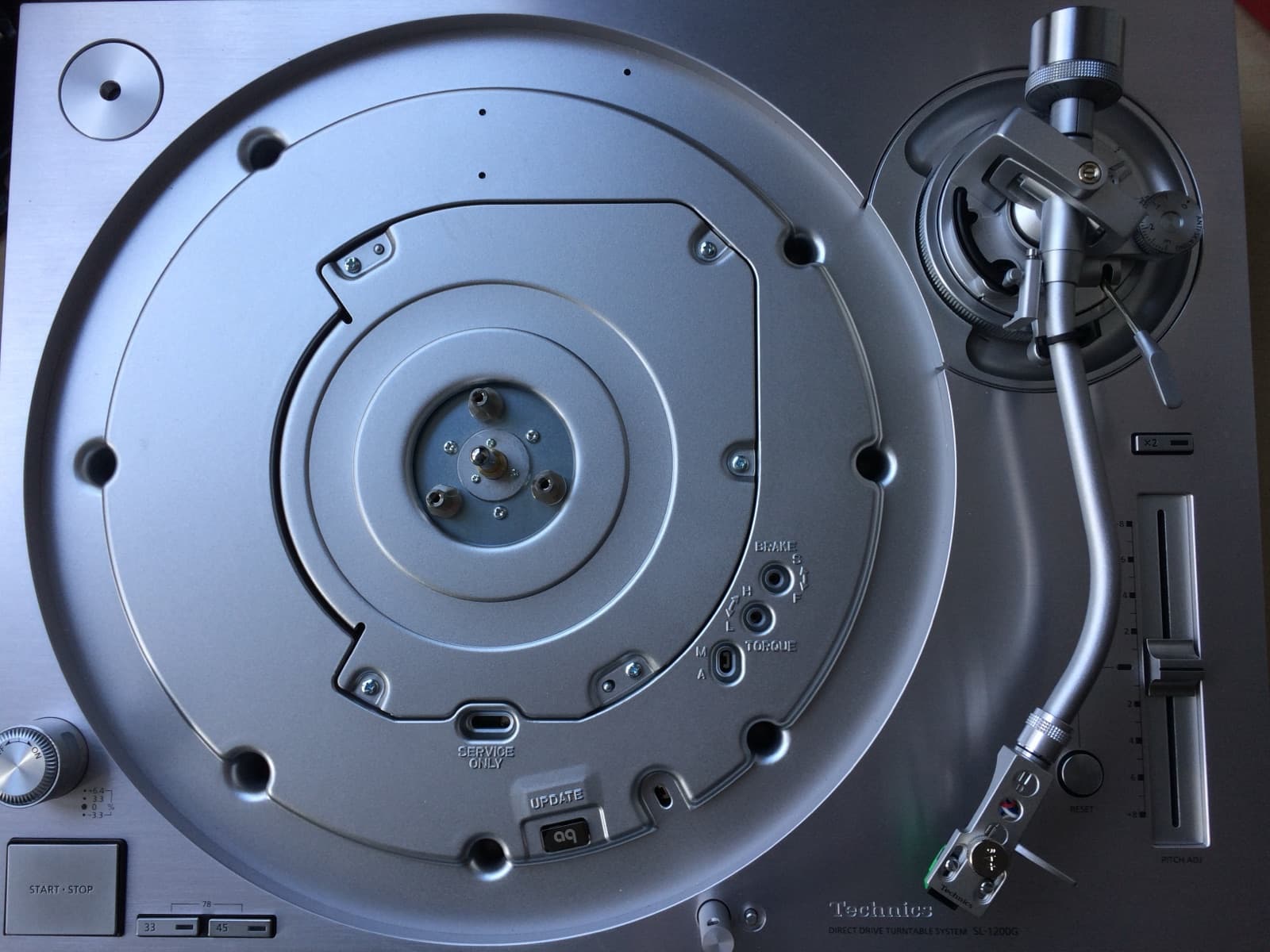
The parts you check, adjust and replace, photographed on real decks.
05Production timeline
Every variant on one axis. That long MK2 bar is one design, barely touched, for thirty-one years.